Wedding Illustration Love Motifs: A Designer's Resource for Romantic Branding
When building a brand around love, commitment, and celebration, the visual language needs to speak volumes without saying a word. We often focus on typography, but imagery carries the emotional weight. This is where a dedicated set of Wedding Illustration Love Motifs becomes an essential part of your design toolkit. It is not just about finding a pretty picture; it is about finding a visual asset that aligns with the sophisticated, often delicate, aesthetic required for the wedding industry. Whether you are a graphic designer assembling a mood board, a small business owner creating product packaging, or a blogger needing high-quality headers, the right illustration changes the entire context of your work.
Understanding the Visual Language of Romance
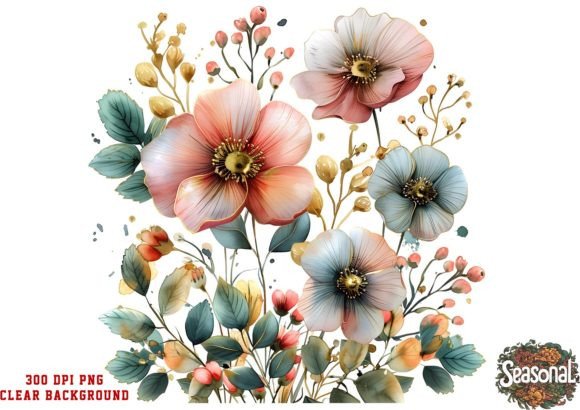
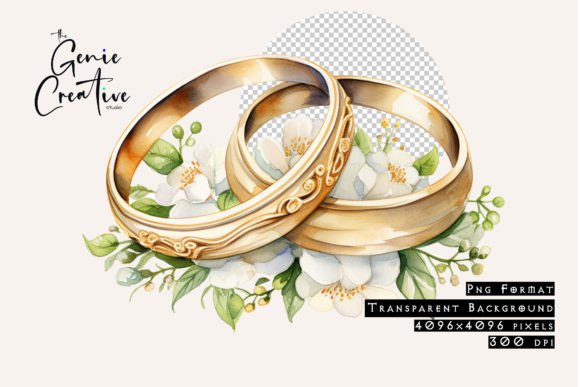
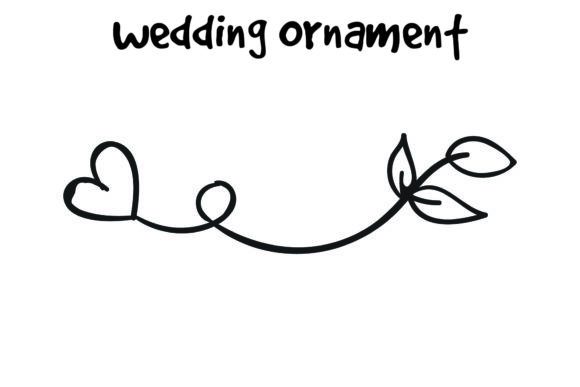
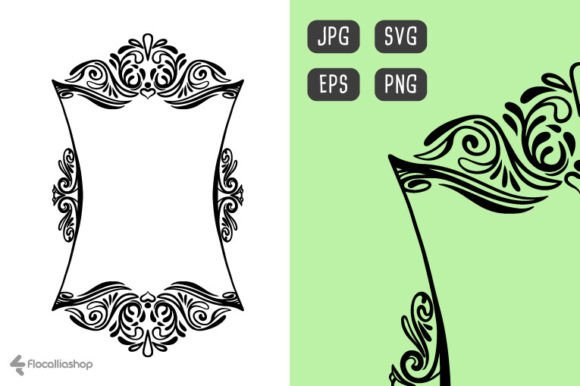
The file provided offers a distinct visual personality. Based on the typical structure of such premium design assets, you are likely looking at a JPG file featuring high-contrast line work or vector-style art. These motifs usually incorporate classic romantic iconography—think interlocking rings, floral wreaths, or stylized hearts. The appeal lies in their versatility. Unlike a complex photograph, an illustration allows for abstraction and simplification. It conveys a mood—intimacy, elegance, joy—without getting bogged down in the specific details of a real-world wedding.
For the modern entrepreneur or creative, these motifs serve as a bridge between traditional sentimentality and contemporary design trends. We are seeing a shift in modern typography and graphic design where raw, hand-drawn aesthetics are preferred over sterile, corporate vectors. A handwritten font paired with a delicate floral sketch, for instance, creates a brand identity that feels personal and approachable. The "Love Motifs" file is designed to complement these softer typefaces, adding a layer of texture and warmth that a sans serif font alone cannot achieve.
Strategic Applications for Branding and Content
The true value of a design asset is measured by its utility across different mediums. If you are working on editorial design, such as a wedding magazine or a lookbook, these illustrations can break up large blocks of text, acting as visual anchors that guide the reader’s eye. In packaging design, a subtle love motif can elevate a simple box of chocolates or a bottle of perfume into a premium gift item. It signals quality and care to the consumer.
For those in the digital space, the applications are just as robust. Consider the visual noise of social media. A clean, well-illustrated motif helps your content stand out in a crowded feed. It is excellent for creating cohesive social media graphics that reinforce your brand’s visual identity. If you are a web designer, integrating these motifs into a web design layout can soften the hard edges of digital interfaces, making a wedding planning site or a jewelry e-commerce store feel more inviting.
Integrating Motifs into Your Design Workflow
Adopting a new asset requires a thoughtful approach to font pairing and layout. You should treat these illustrations as you would a secondary typeface. They have a voice, and that voice needs to harmonize with your primary text. If your brand relies on a bold display font for headers, ensure the illustration style is delicate enough not to compete for attention. Conversely, if you are using a script font, avoid overly intricate illustrations that might make the design feel cluttered.
Readability remains the priority. In logo design, for example, a motif should frame or accent the brand name, never obscure it. When testing these assets, place them in a mockup environment. See how they look against different background colors or textures. Does the line work hold up when printed on a textured paper stock? Does the JPG compression affect the clarity when viewed on a mobile screen? These practical checks are crucial for maintaining professionalism.
Practical Considerations for Commercial Use
Before incorporating any design assets into a client project or your own business materials, you must understand the licensing. The note regarding "commercial font" licensing typically applies to illustrations as well. If you are using this for a one-off personal project, such as a friend’s wedding invitation, the restrictions are usually minimal. However, if you plan to use the motif on a product you sell—like a t-shirt, a mug, or a digital template—ensure the license permits commercial reproduction.
Furthermore, always review the specific file details. The description notes that titles can be misleading, so rely on the visual evidence. Inspect the image for scalability. While it is a JPG, which is a raster format, high-resolution files can be used in large-format printing like banners or signage. For digital use, the file size should be optimized to ensure fast load times without sacrificing the crispness of the premium font or illustration edges.
Elevating Your Creative Output
Ultimately, resources like Wedding Illustration Love Motifs are about efficiency and quality. They allow you to bypass the time-consuming process of drawing assets from scratch or settling for generic stock photos. For the content creator or marketer, this means faster turnaround times and more consistent results. For the crafter or hobbyist, it provides access to a level of artistic quality that might otherwise be out of reach.
When you integrate these visuals thoughtfully, they do more than decorate; they communicate. They tell your audience that you understand the aesthetic of romance and celebration. They reinforce your brand identity by providing a consistent visual thread that runs through all your touchpoints, from your website header to your business card. By treating these motifs as a strategic component of your creative font and design ecosystem, you ensure that every project you touch carries a mark of professionalism and heartfelt style.